
WG9 – Radiation dosimetry in radiotherapy
-
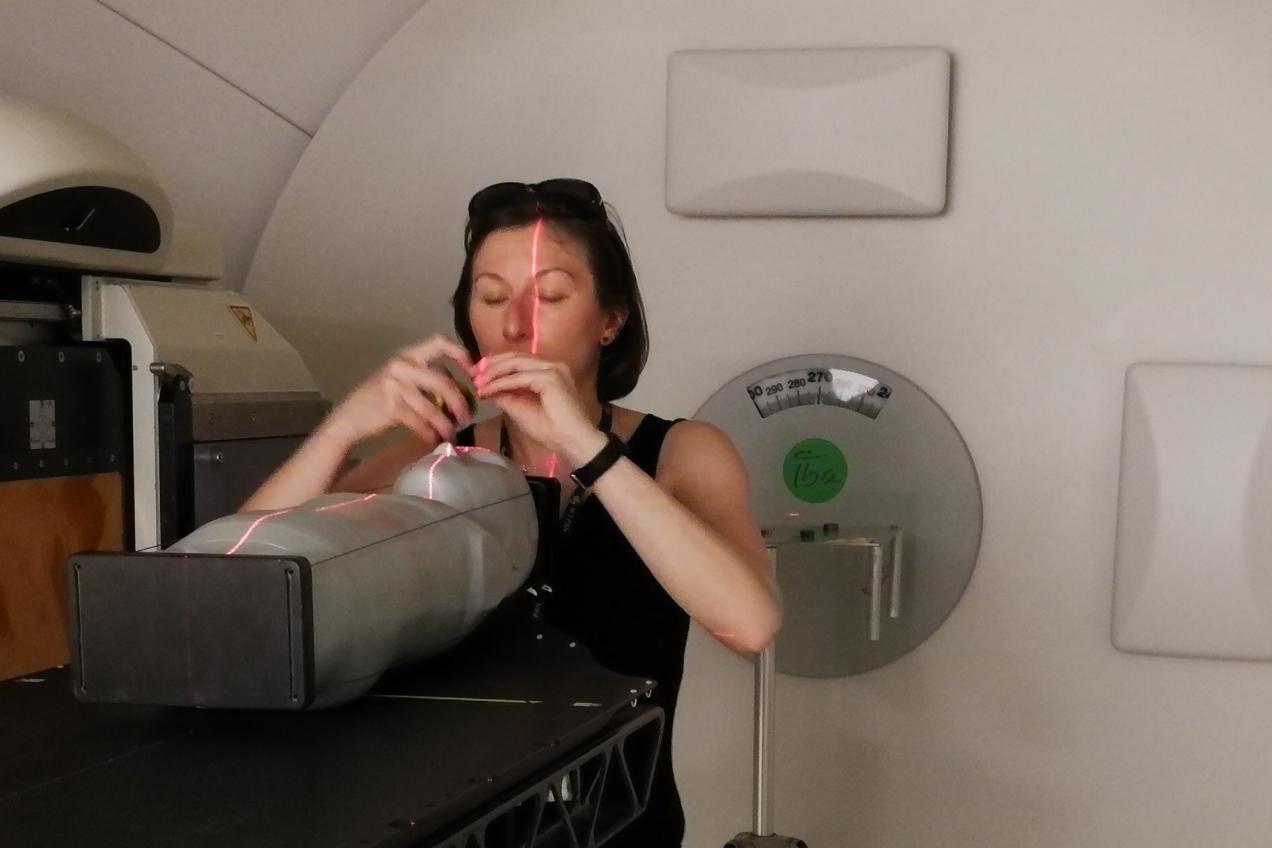
Chairperson
Liliana Stolarczyk
Danish Centre for Particle Therapy at the Aarhus University Hospital
Email: lilsto [at] rm [dot] dk (lilsto[at]rm[dot]dk) -
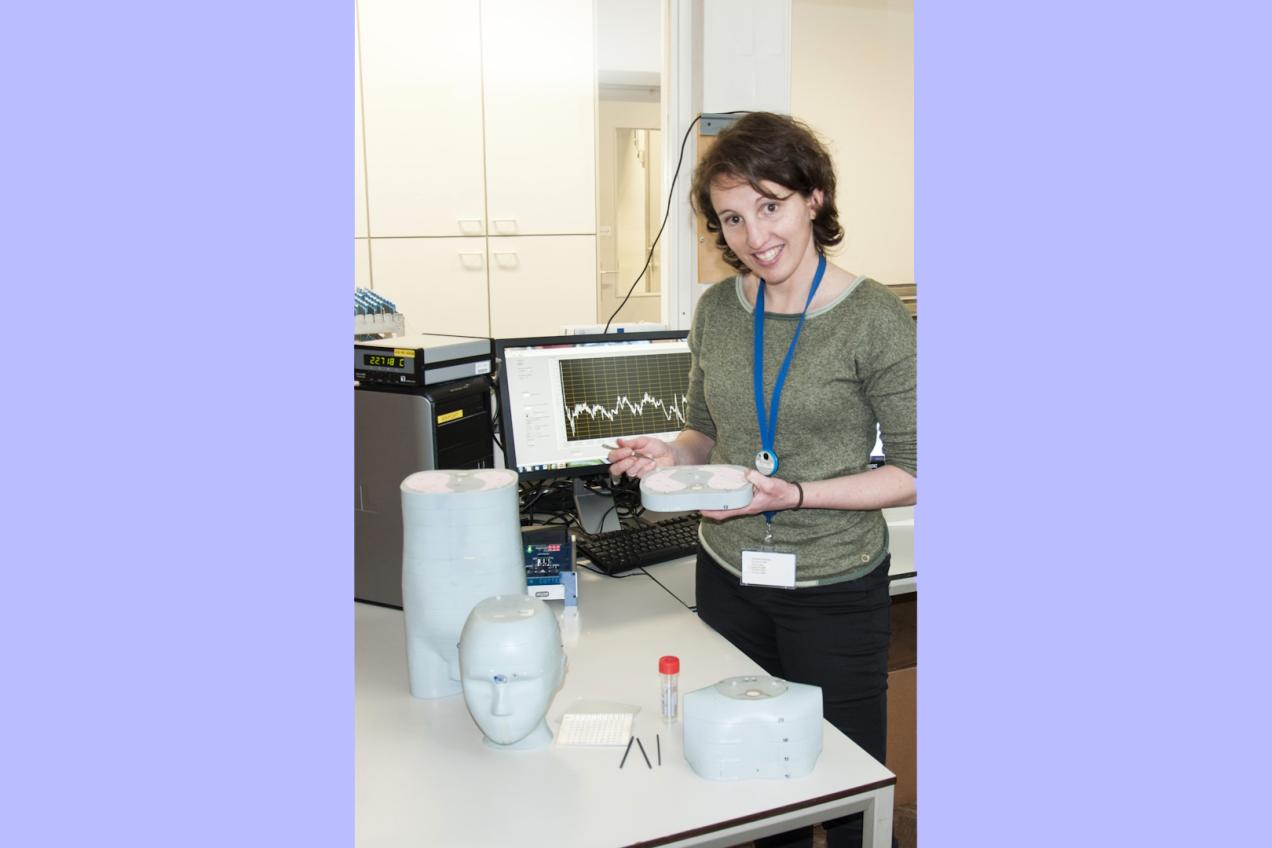
Secretary
Marijke De Saint-Hubert
SCK CEN, Belgium
Email: marijke [dot] de [dot] saint-hubert [at] sckcen [dot] be (marijke[dot]de[dot]saint-hubert[at]sckcen[dot]be) -
Membership
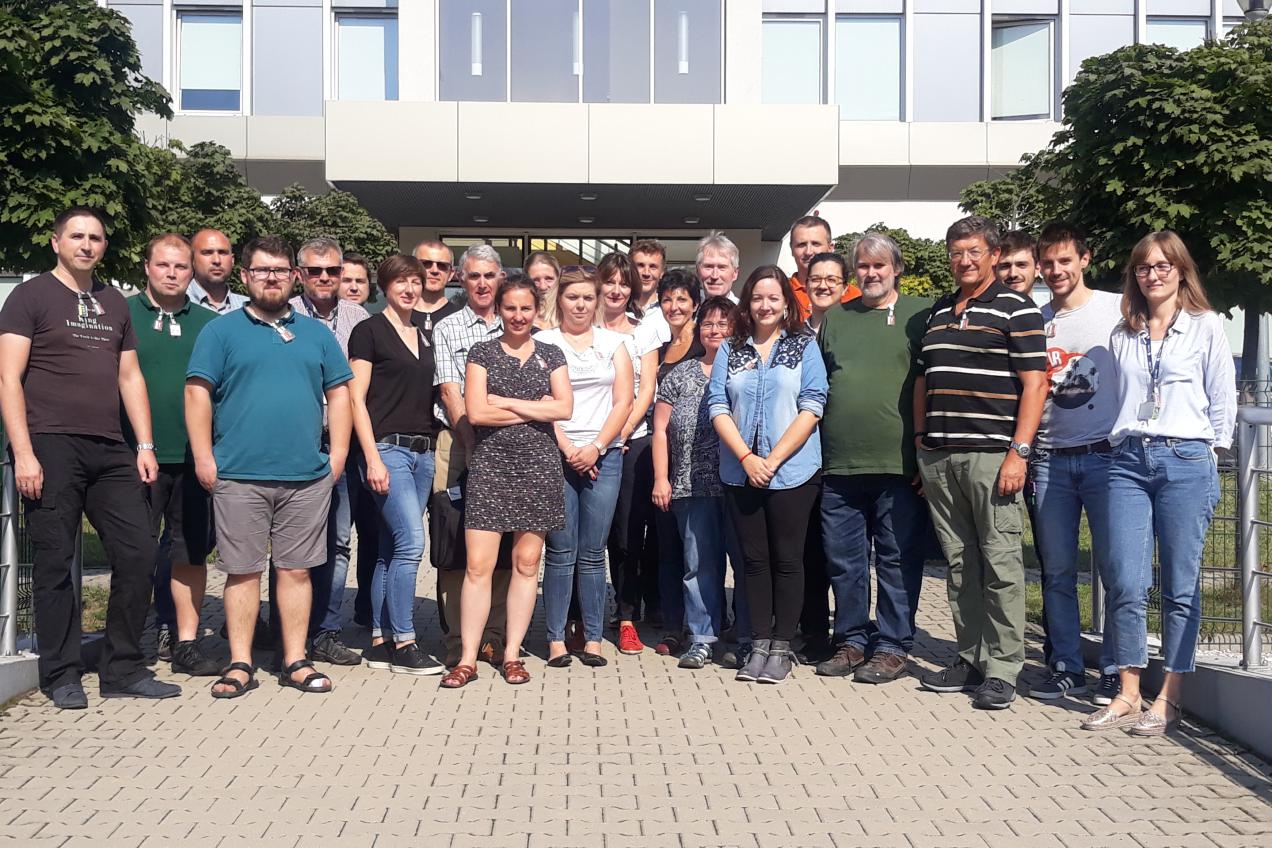
Working Group 9 has:
- 19 full members and
- 36 corresponding members,
- 47 observers.
Motivation
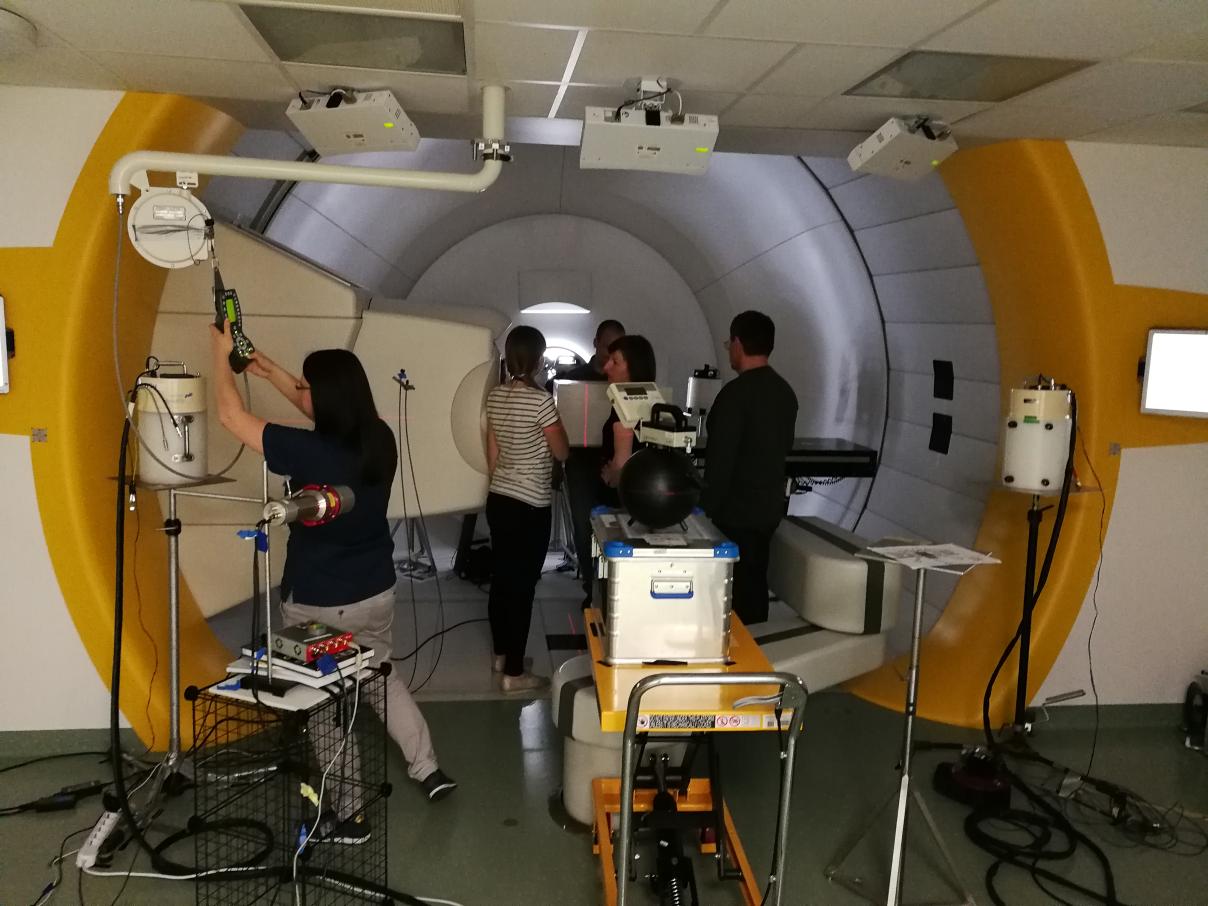
Radiotherapy is a key component of cancer therapy. Its success depends on accurate and reproducible dose delivery to the target volume and minimisation of concomitant doses to healthy tissues. There is, therefore, a requirement for robust dosimetry for all parts of the body, and for all treatment modalities, for patients undergoing radiotherapy. In addition, recent technical developments such as proton and ion beam facilities, intensity modulated radiotherapy (IMRT) and image guided radiotherapy (IGRT) have resulted in many new dosimetric challenges. WG9 is addressing these by developing a research programme, which harnesses the experimental and computational expertise of its members, who are drawn from many European laboratories and hospitals.
Aim of the Working Group:
Assessment and development of existing and potential dosemeters and dosimetric techniques in radiotherapy for improved dosimetric inter-centre harmonisation together with experimental and computational determination of organ doses as input to epidemiological and late effect studies.
Main scientific objectives
- Development and assessment of dosimetry techniques for non-target patient doses in x-ray and proton therapy, especially in paediatric radiotherapy. Generation of robust datasets of out of-field doses for development and benchmarking of dose algorithms and analytical models;
- Determination of the total dose to the patient from therapy and imaging (in conjunction with WG12) for input to epidemiological studies;
- Small field photon and proton beam dosimetry;
- Specific developments in proton and neutron dosimetry:
- spatial fractionation (grid therapy)
- mailed dosimetry audits of proton therapy beams for inter-centre harmonisation
- In-phantom and ambient neutron dosimetry and spectrometry
- Foetal dose determination
- Monte Carlo simulation studies to support and enhance experimental programmes;
- Identification of new and emerging dosimetric techniques and materials, and assessment of their potential use in radiotherapy dosimetry.
Task Groups
-
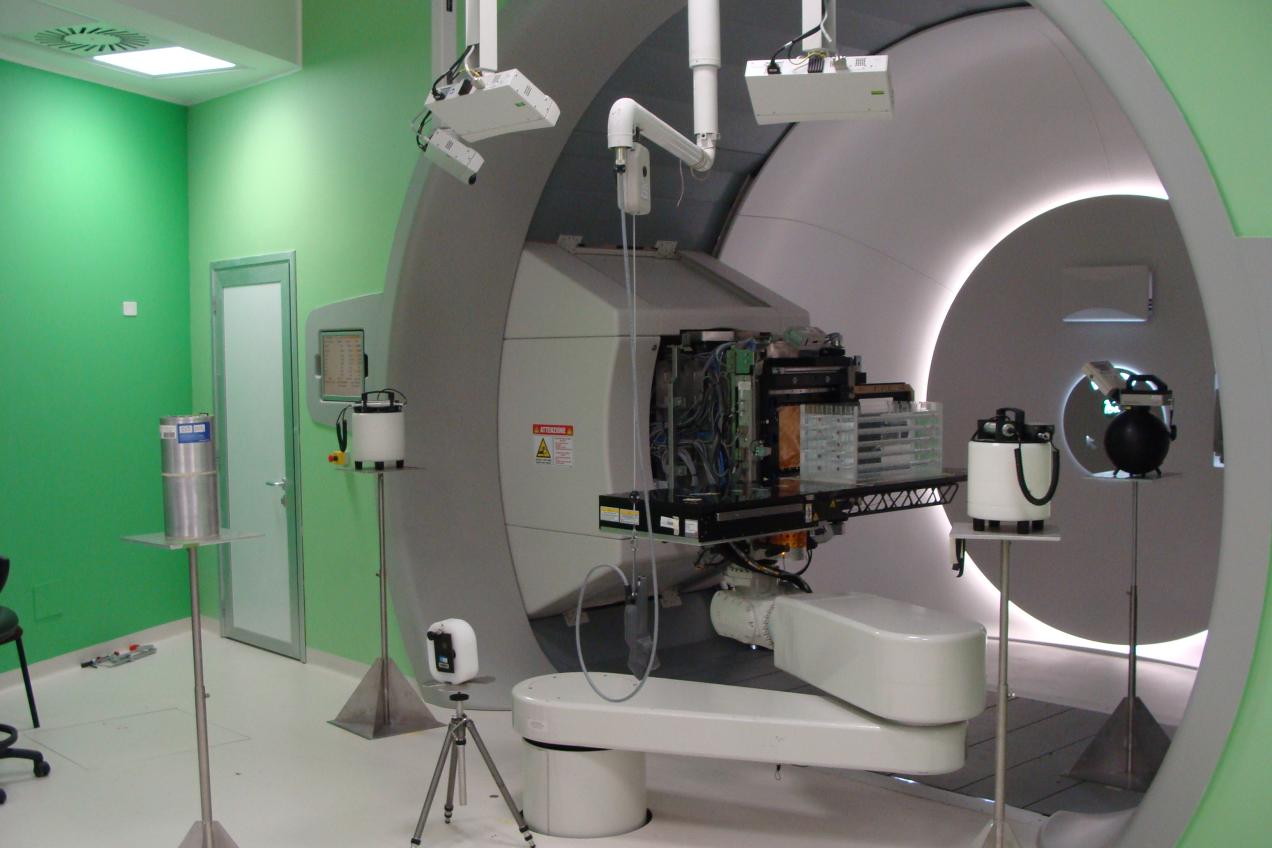
TG 9.1 Computational methods in medical physics
Task Group leader: Hrvoje Brkić (MEFOS, Croatia)
Main Tasks and Aims:
Subgroup 9.1 is dedicated to Monte Carlo (MC) simulations in the field of medical physics, particularly in radiotherapy. To address various radiotherapy challenges the subgroup's work is often complementary to experimental campaigns performed by WG9.
Key activities include:
- LET Simulations: This task aims to calculate dose, LET (Linear Energy Transfer), and other derived quantities in a proton therapy.
- MC Code Comparison and Validation: This task involves comparing different Monte Carlo codes to ensure accuracy and consistency in dose calculations, particularly for out-of-field doses, including neutron doses.
- Out-of-Field Dose Calculations: The subgroup also focuses on simulating radiation doses received by patients in areas outside the primary treatment field, with a particular emphasis on vulnerable populations such as pediatric and pregnant patients.
These activities are conducted in collaboration with WG6 and WG11.
-
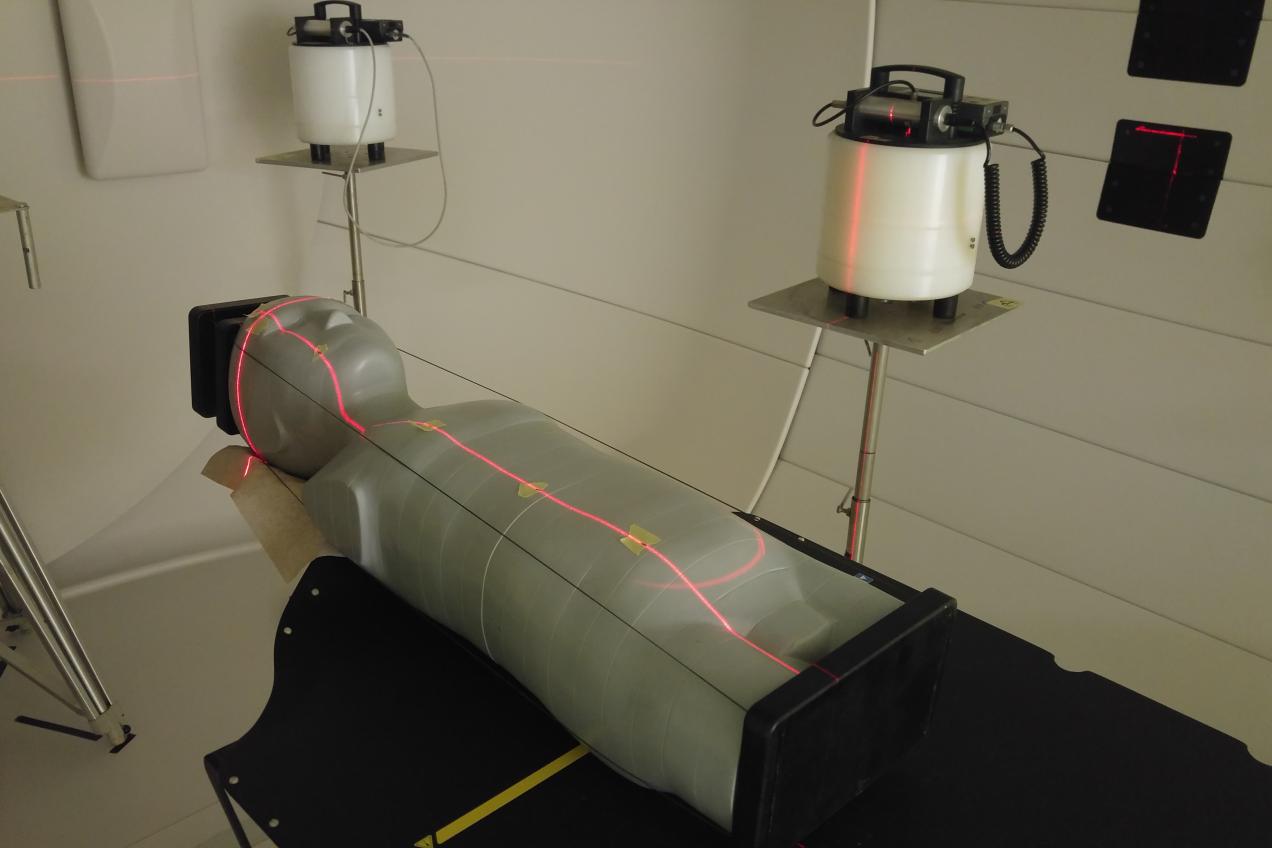
TG 9.2 Hadron radiotherapy
Task Group leader: Pawel Olko (Institute of Nuclear Physics PAN, Poland)
Main Tasks and Aims:
Hadron radiotherapy represents a significant advancement in cancer treatment, and Subgroup 9.2 is actively addressing knowledge gaps and concerns in this field.
Key activities include:
- Out-of-Field Dose Assessment: Experimental determination of out-of-field radiation doses in patients, particularly pediatric patients, undergoing hadron therapy. Experiments are performed for various beam delivery systems and particle types (proton, light ion, and neutron beams). This involves:
- In-phantom measurements using passive detectors (e.g., TLDs, RPLs, track detectors, and bubble detectors).
- In-room neutron spectrometry and secondary radiation mapping
- LET Calculations and Validation: Conducting experimental validation of LET calculations specific to proton radiotherapy.
- Spot Scanning Proton Beam Audit Program: Developing an audit program for spot scanning proton beams.
These activities are conducted in collaboration with WG6 and WG11.
- Out-of-Field Dose Assessment: Experimental determination of out-of-field radiation doses in patients, particularly pediatric patients, undergoing hadron therapy. Experiments are performed for various beam delivery systems and particle types (proton, light ion, and neutron beams). This involves:
-
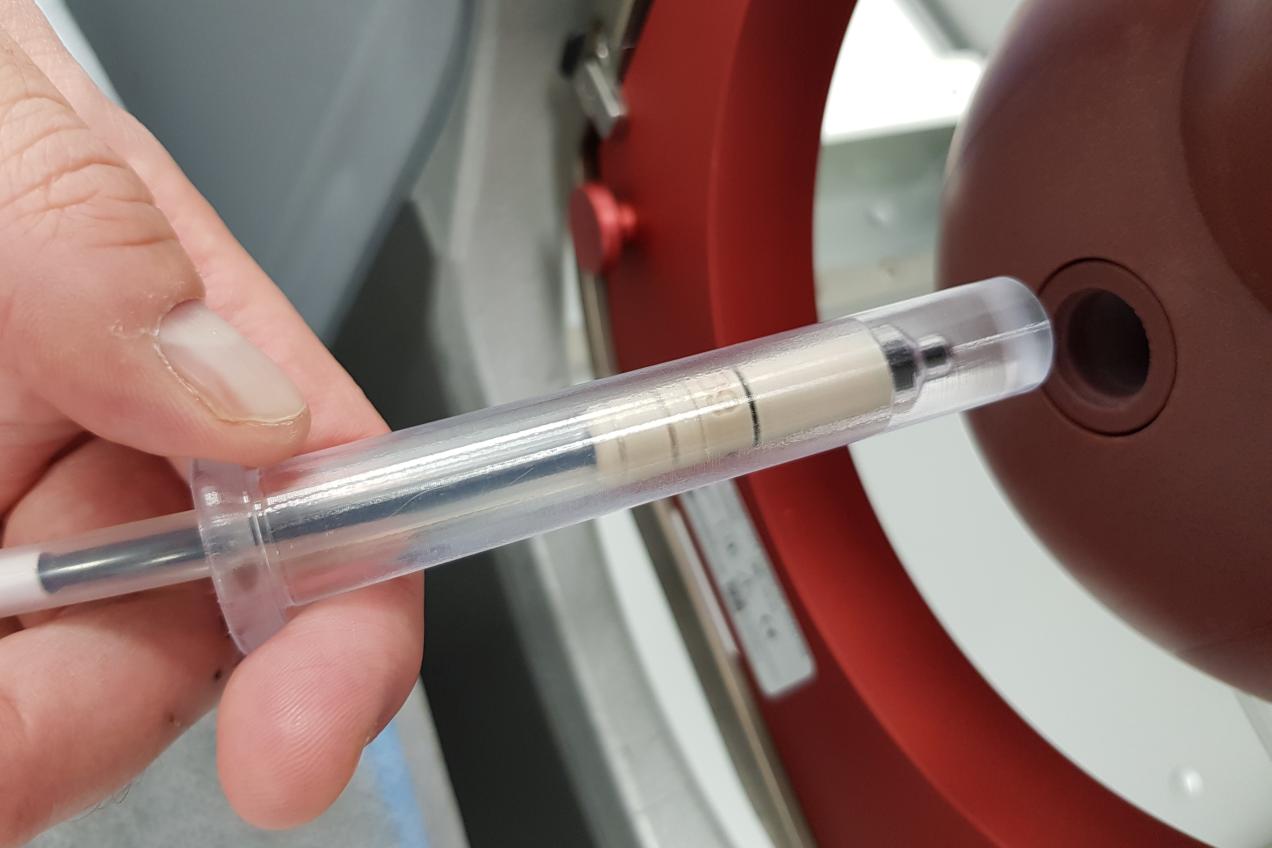
TG 9.3 Small field dosimetry
Task Group leader: Hrvoje Hršak (University Hospital Centre Zagreb, Croatia)
Main Tasks and Aims:
Subgroup 9.3 is dedicated to small field dosimetry, focusing on projects that involve the characterization of both machine and detector-specific performance.
Key activities include:
- Point Detector Characterization: Examining the performance of various point detectors, such as ionization chambers, diodes, and scintillation detectors.
- 2D Detector Analysis: Working with 2D detectors, including radiochromic films and 2D radioluminescent sheets.
- End-to-End Audits: Conducting collaborative end-to-end audits with multiple centers equipped for stereotactic radiosurgery (SRS) and radiotherapy (SRT).
-
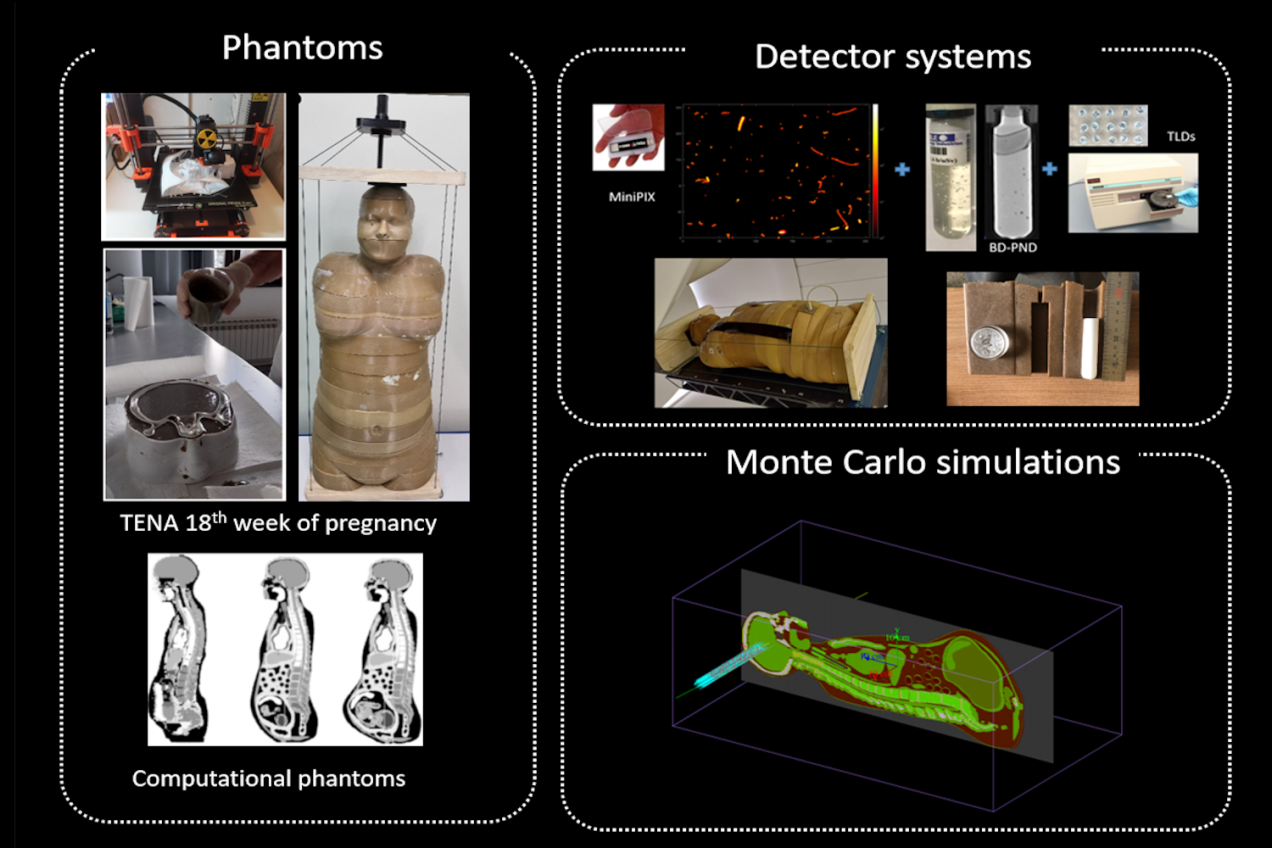
TG 9.4 Fetal doses in radiotherapy
Task Group leader: Marijke De Saint-Hubert (SCK CEN, Belgium), Hrvoje Brkić (MEFOS, Croatia)
Main Tasks and Aims:
Fetal dose assessment during radiotherapy for pregnant patients presents unique challenges that require precise data and effective risk assessment strategies.
Key activities include:
- Proton Therapy During Pregnancy: Evaluating the potential of proton therapy (PT) to reduce doses to the foetus.
- Use of Anthropomorphic Phantoms: Implementing pregnant anthropomorphic phantoms and dedicated dosimetry equipment to accurately assess fetal dose in a mixed radiation field.
- Monte Carlo Simulations: Utilizing Monte Carlo (MC) simulations for precise fetal dose characterization and personalized dosimetry.
These efforts are undertaken in collaboration with WG6 and WG12.