
WG13 – Dosimetry in nuclear medicine
-
Chairperson
Lara Struelens
Belgian Center for Nuclear Research (SCK CEN)
Email: lara [dot] struelens [at] sckcen [dot] be (lara[dot]struelens[at]sckcen[dot]be) -
Secretary
Peter Covens
Vrije Universiteit Brussel
Email: peter [dot] covens [at] vub [dot] be (peter[dot]covens[at]vub[dot]be)
-

Membership
The WG13 has:
- 20 full members,
- approx. 20 corresponding members and
- approx. 20 observers.
Liaisons
The WG13 has four liaisons from EANM - Silvano Gnesin (Dosimetry) and Elena Prieto (Radiation Protection), SIG-FRID - Manuel Bardiès and ICRP - Augusto Giussani.
Motivation
Nuclear medicine is a specialized discipline of medicine administering radionuclides and compounds to diagnose and treat various diseases and cancers. There are about 35 million patients worldwide, of which 9 million in Europe, receiving nuclear medical procedures every year. Advanced molecular imaging technologies, such as PET and SPECT, together with CT and MRI are able to detect tumors and diseases online for further treatment. In addition to the benefit of the treatments, the radiation dose is a fundamental quantity for radiation protection, risk assessment and treatment planning to the patients, medical staff and the public, and the environment. EURADOS has many years of experience about the radiation protection in medicine. EURADOS has embarked on several projects with other nuclear medicine associations since its establishment in the 1980s’. As a result of the EURADOS strategic research agenda (SRA) 2020, the nuclear medicine dosimetry was identified and put as a solid and independent challenge parallel to the radiation therapy and medical imaging dosimetry for the next decades. Concurrently, radiopharmaceutical therapy in nuclear medicine is undergoing a renaissance and the EC Directive 2013/59/Euratom states in article 56 that exposures of target volumes in nuclear medicine treatments shall be individually planned. The EURADOS WG13 aims to develop patient dosimetry methods and monitoring radiation exposure and engage in radiation protection in the nuclear medicine research field together with international and European associations.
Aim of the Working Group:
To improve radiation protection and patient dosimetry in nuclear medicine by optimizing diagnostic and therapeutic procedures.
Task Group
-
Task 13.1: The development of an advanced computational framework for the assessment of external dose rates of NM patients
Task Group leader: Lara Struelens (SCK CEN, Belgium)
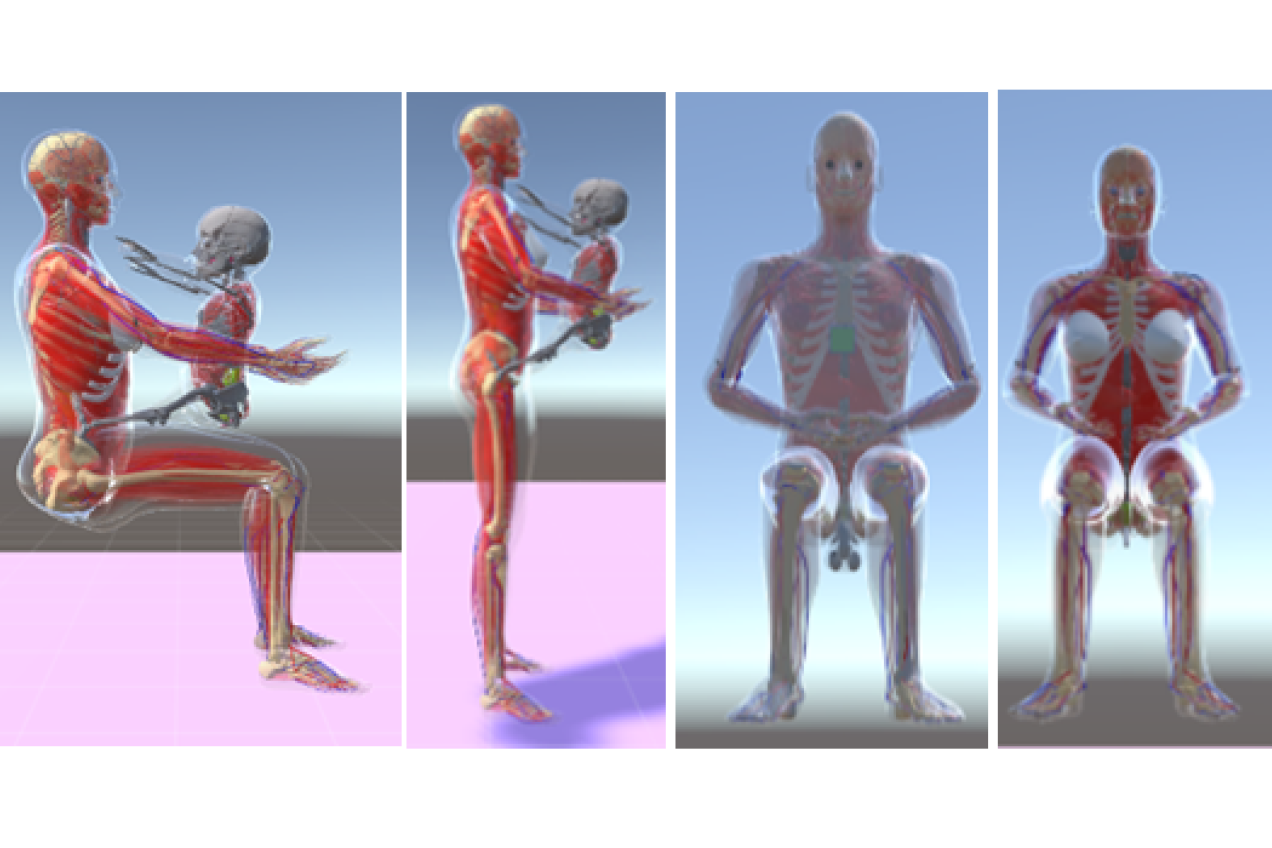
The growing use of nuclear medicine and the diversity of new radiopharmaceuticals, stimulate the need for a more comprehensive re-evaluation of the radiological risk for caregivers and general public coming into proximity of nuclear medicine patients. The objective of this task is to develop a more comprehensive dose calculation approach by using the most recent advancements in computational dosimetry, such as Monte Carlo simulations, realistic flexible human phantoms, and time activity distribution curves from the most recent biokinetic models. In addition to caregiver and general public dose assessment, this new dose calculation framework is particularly important for modelling some of the most concerning close contact exposure situations, such as an adult holding/comforting a child, or a mother breastfeeding her child.
-
Task 13.2: Pharmacokinetic modelling
Task Group leader: Vladimir Spielmann (BfS, Germany)
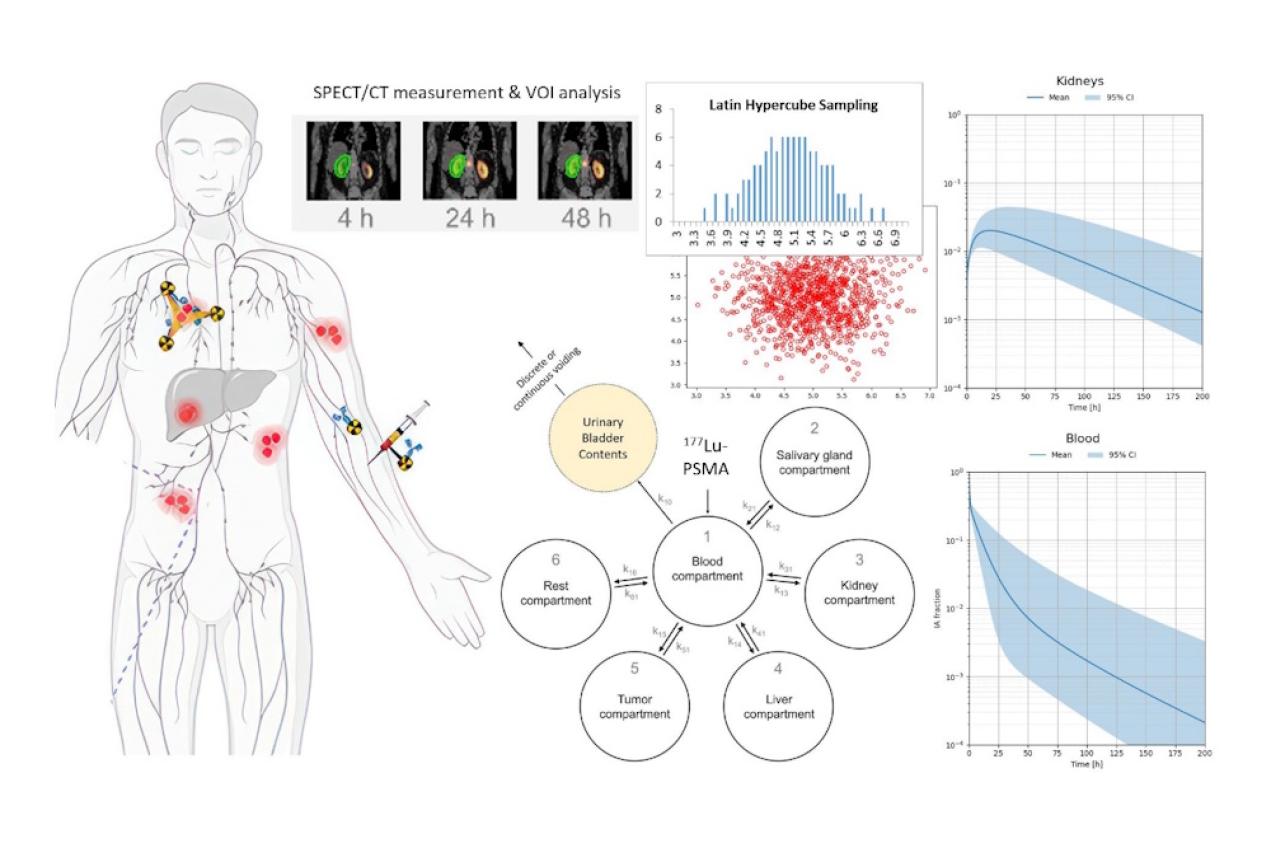
This task will focus on pharmacokinetic model techniques, uncertainty evaluation and sensitivity analysis. Based on available clinical data and predefined goals, individual (PK), population-based (PopPK), pharmacodynamic (PD), physiologically based (PBPK), or combined pharmacokinetic–pharmacodynamic (PK–PD) models may be developed or used in this task.
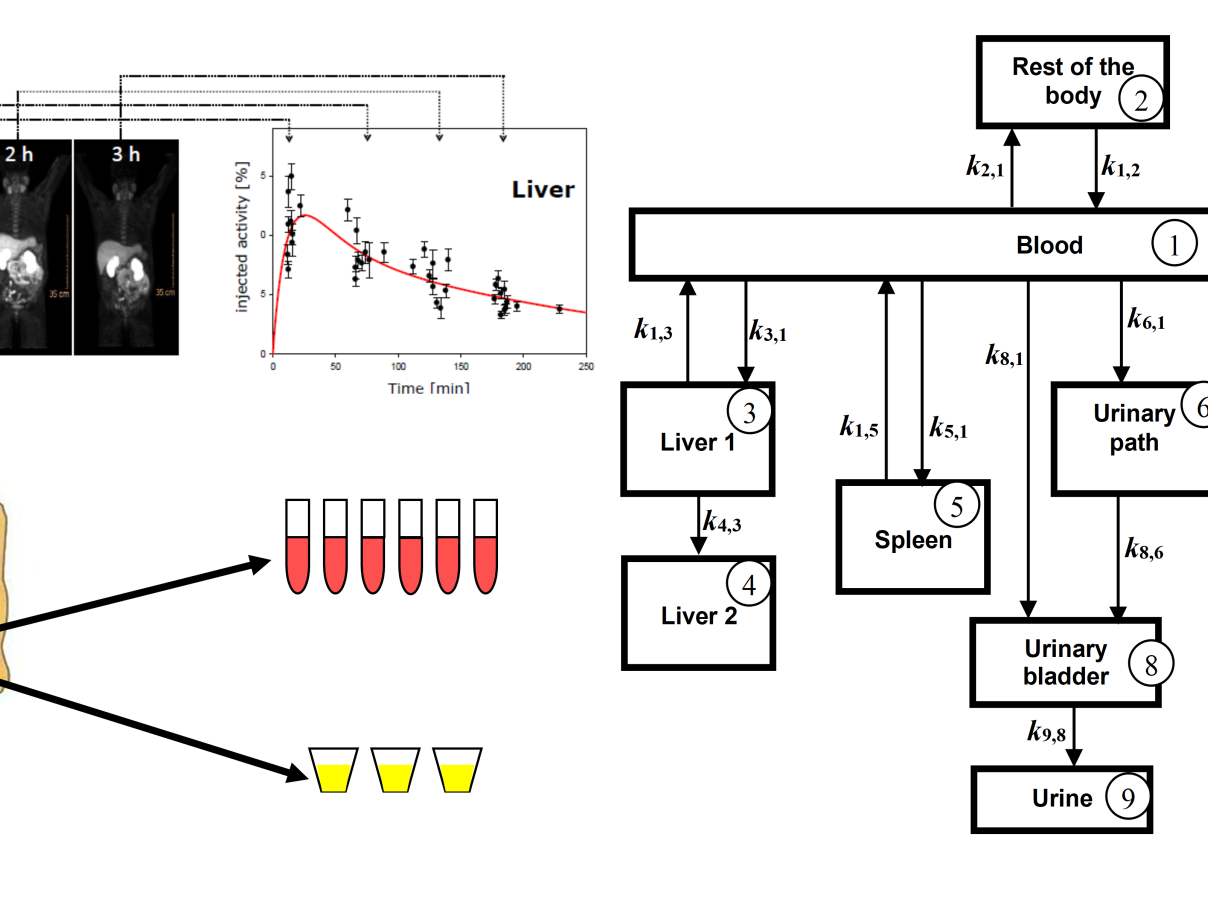
The absorbed dose to patients from administered radiopharmaceuticals is usually calculated according to the generalized scheme recommended by the MIRD and ICRP. In these calculations, mathematical models for time-dependent activity curves in organs and tissues (pharmacokinetic models) and mathematical and digital representations of the human body (voxel phantoms) are first evaluated. Because of uncertainties in the image acquisition chain and variability among patients, the image-based pharmacokinetic models and the reference human phantoms used for estimating absorbed doses in patients are subject to significant sources of uncertainty.
In this task, general methods and programs will be developed and used to assess the uncertainty of time-activity curves (TACs), time-integrated activity coefficients (TIACs), and from that resulting organ absorbed doses in patients undergoing diagnostic procedures and treatments. Furthermore, a global, variance-based sensitivity analysis approach will be applied to identify the most important model parameters in the PK and dose calculation chain.
-
Task 13.3: AI in Pharmacokinetic Modeling, Theranostics, and Dosimetry
Task Group leader: Weibo Li (BfS, Germany)
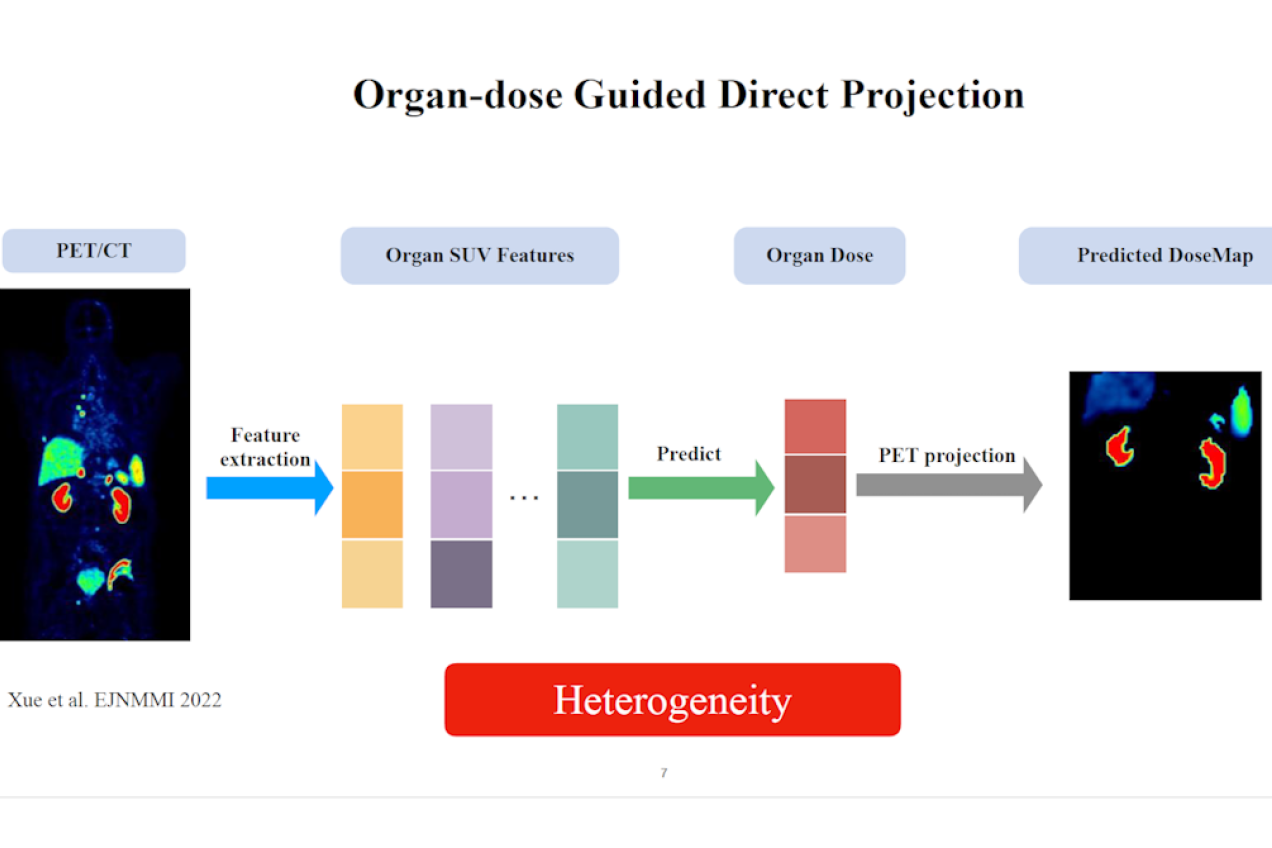
This task group aims to explore and advance the use of artificial intelligence (AI) across the nuclear medicine workflow, with a focus on pharmacokinetic (PK) modelling, theranostic applications, and patient‑specific dosimetry. As a first step, we are preparing a EURADOS review on “AI Applications in Nuclear Medicine Dosimetry and Radiopharmaceutical Therapy.”
The review will provide an overview of the current state of AI‑based methods, highlight existing gaps and limitations, and identify opportunities where AI could meaningfully support or enhance the clinical and research workflow. Building on these insights, the task group will investigate how AI approaches can be evaluated, compared, and integrated into PK modelling, theranostic decision‑making, and dosimetric calculations.
In addition to these core activities, the task group will support other WG13 tasks by identifying and providing AI‑based methods that can be benchmarked against conventional or emerging approaches relevant to each task’s focus area. This will promote harmonised evaluation strategies and help ensure that AI solutions are assessed within the broader context of WG13’s objectives.
-
Task 13.4: Clinical Dosimetry
Task Group leader: Astrid Delker (LMU, Germany)
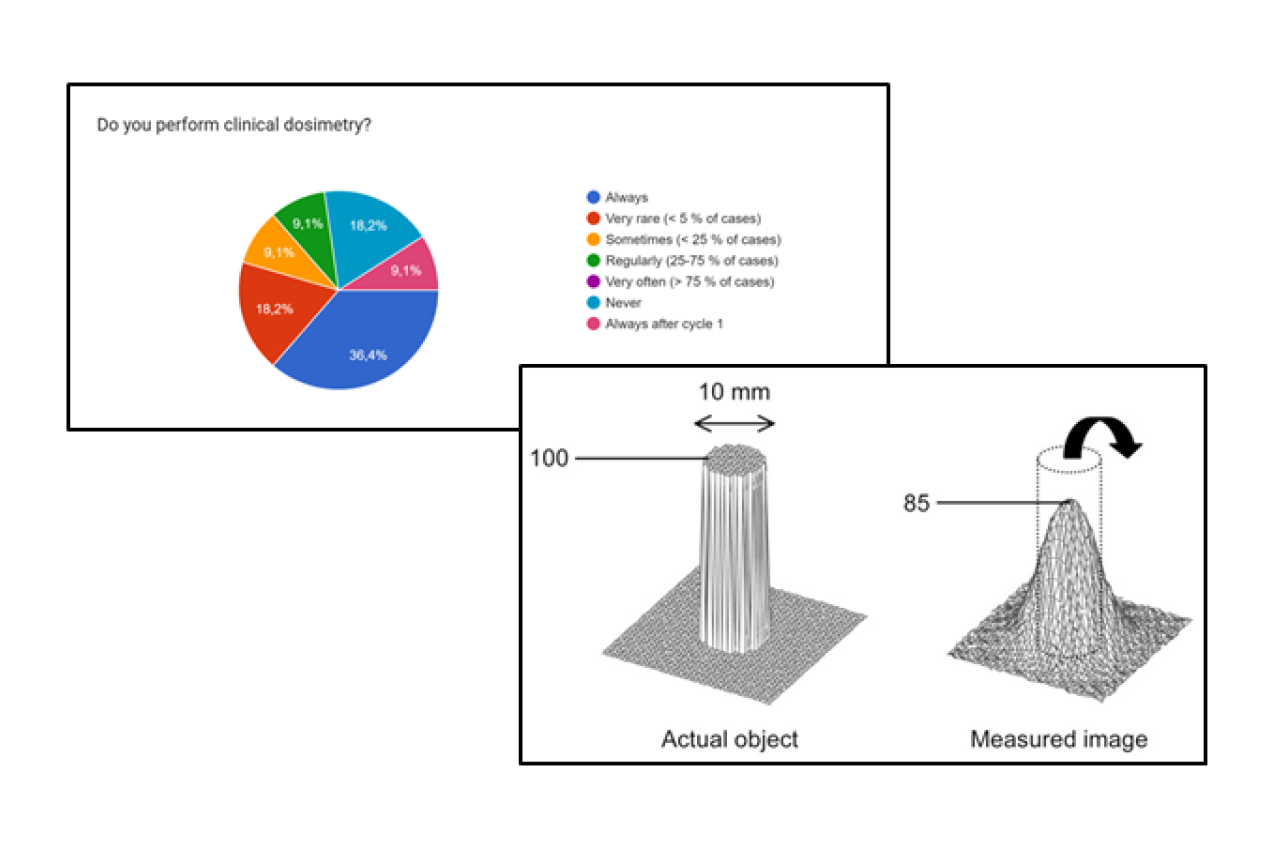
This task focuses on current practices, clinical needs, and open research challenges in clinical molecular radiotherapy dosimetry. The aim is to assess the level of harmonization and standardization across centers and to identify priorities for further methodological development and clinical implementation.
Therefore, the first task is the execution and evaluation of a multi-center survey addressing:
- Imaging protocols and methodologies
- Dosimetry methodologies (software tools, segmentation approaches, dose calculation methods, corrections, and uncertainty reporting)
- Clinical implementation aspects
Based on the survey results, the task aims to:
- Define clinical requirements and open research topics in clinical dosimetry
- Identify gaps in current practice and opportunities for improved standardization
- Foster collaboration with other professional organizations (e.g. EANM, EFOMP)
Currently, the task focuses on ¹⁷⁷Lu-PSMA therapy and initiated comparative evaluations of partial volume correction methods for ¹⁷⁷Lu dosimetry, including factor-based, image-based, and AI-based approaches using synthetic data, phantoms, and comparison exercises. Overall, TG5 serves as a platform to connect clinical practice with dosimetric research, supporting the translation of dosimetry methods into routine clinical workflows.
-
Task 13.5: Small Scale dosimetry
Task Group leader: Philipp Ritt (FAU Erlangen-Nürnberg, Germany)
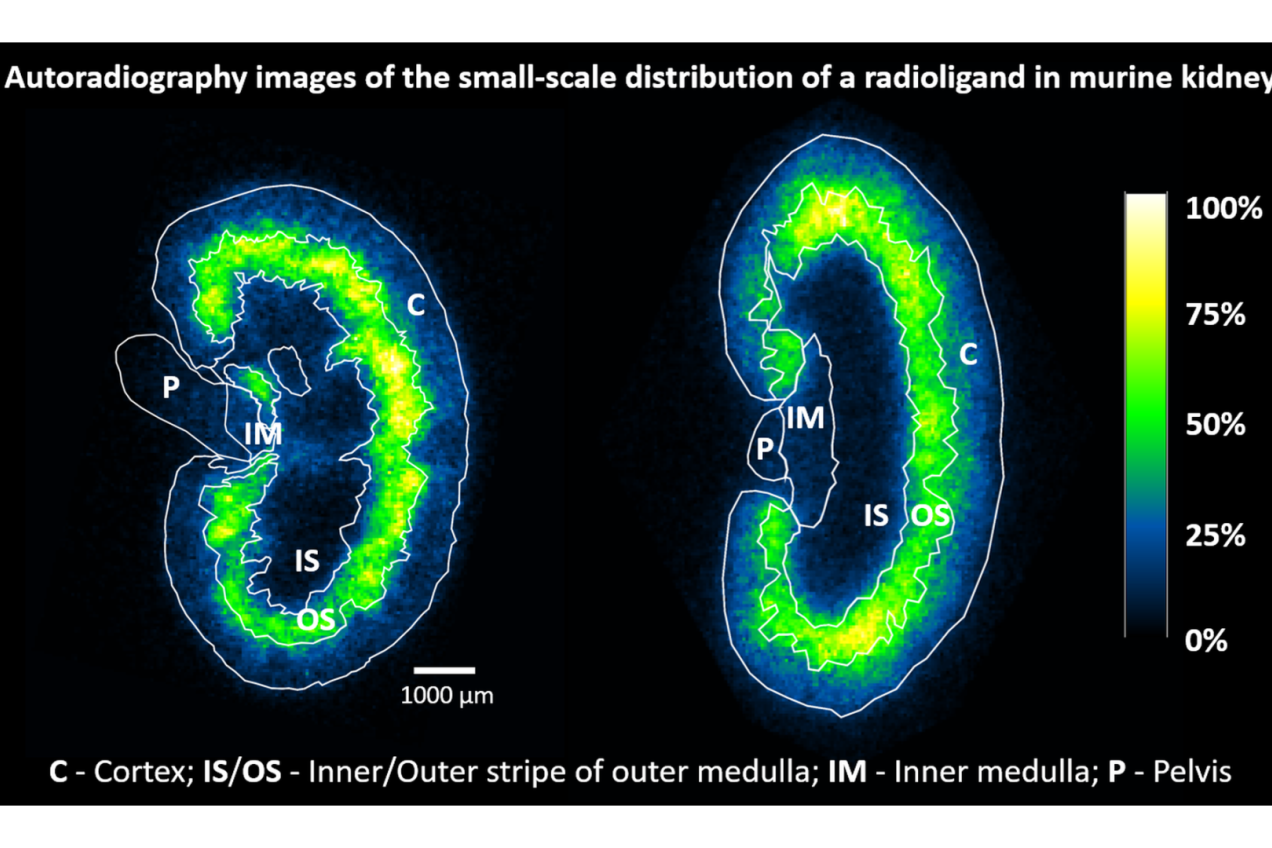
This task will utilize advanced dosimetric techniques, leveraging in-vitro and in-vivo imaging technologies, to evaluate absorbed doses at the sub-tissue and sub-organ levels, such as in the kidneys and bone marrow. The initial sub-task will involve an intercomparison exercise using a semi-artificial autoradiography dataset. This approach will allow all participants to work with realistic, voxelized data and also facilitate a better understanding of potential errors and variability in small-scale dosimetry.
The task group comprises scientists from various European hospitals and research organizations and is open to welcoming interested newcomers.
-
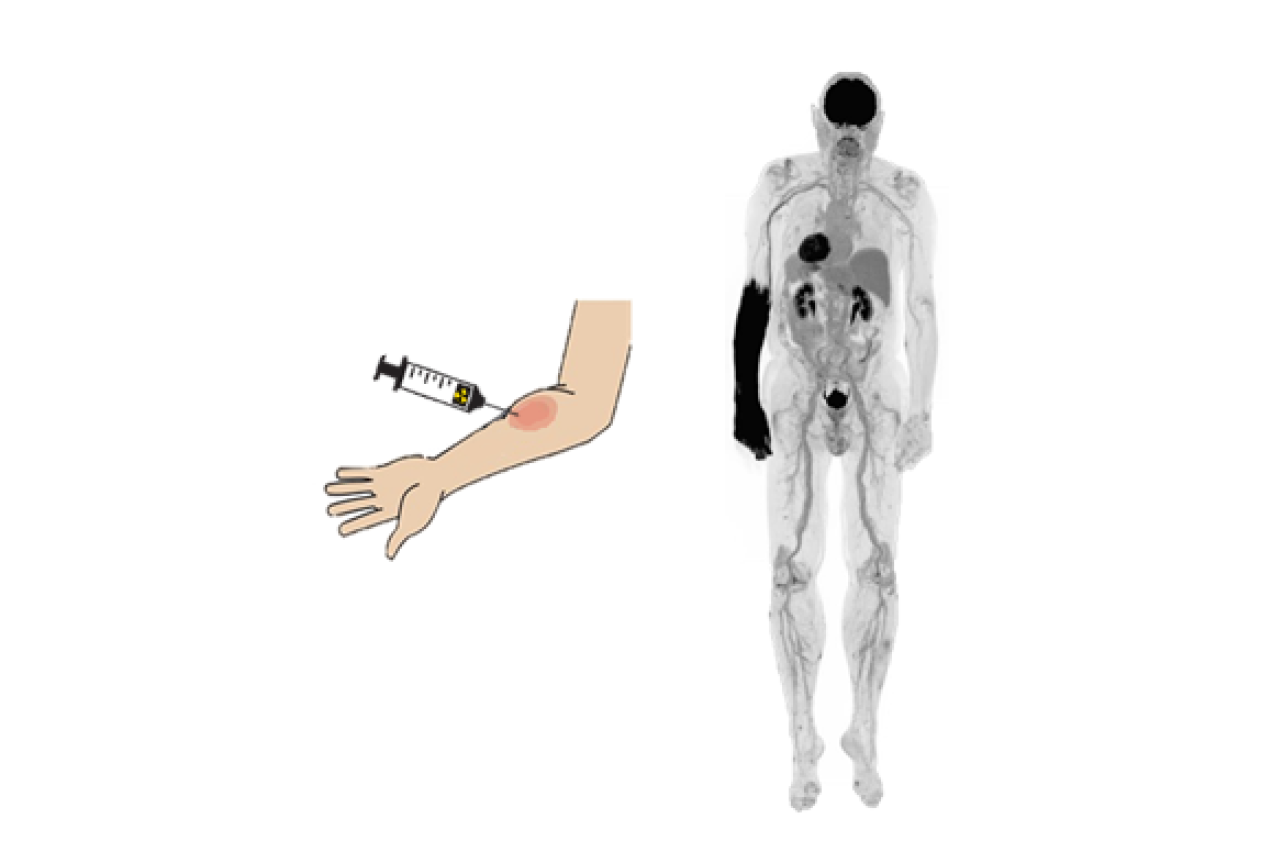
Task 13.6: Dosimetry for extravasations in NM
Task Group leaders: Lara Struelens (SCK CEN, Belgium) / Siria Medici (CHUV, Switzerland)
This task addresses dosimetric evaluation of radiopharmaceutical extravasations occurring during nuclear medicine procedures. Although extravasations are not uncommon, there is currently no harmonised guidance on when and how to perform dosimetry, how to interpret dose estimates, or how dosimetric results should support patient management and communication.
In collaboration with EANM, a review is ongoing of the existing literature and recommendations, gather expert opinion, and assess the different dosimetric approaches proposed for extravasation scenarios.
While EANM focuses on progressing toward pragmatic, proportionate, and harmonised guidance for the management of extravasation cases - supporting risk assessment, patient management workflows, and
clinical communication - EURADOS will contribute its dosimetric expertise by critically assessing and comparing the various dosimetric approaches currently in use. This includes methods ranging from average dose models to more advanced voxel‑based techniques, with particular attention to the impact of modelling assumptions, quantitative imaging biases, and tissue radiosensitivity on the resulting absorbed dose estimates.