
WG2 – Harmonisation of individual monitoring
-

Chairperson
Nicky Gibbens
UKHSA (United Kingdom)
Email: Nicky [dot] Gibbens [at] ukhsa [dot] gov [dot] uk (Nicky[dot]Gibbens[at]ukhsa[dot]gov[dot]uk) -
Secretary
Peter Kaidin Frederiksen
Danish Health Authority (Denmark)
Email: pkfr [at] sis [dot] dk (pkfr[at]sis[dot]dk) -

Membership
Working Group 2 has:
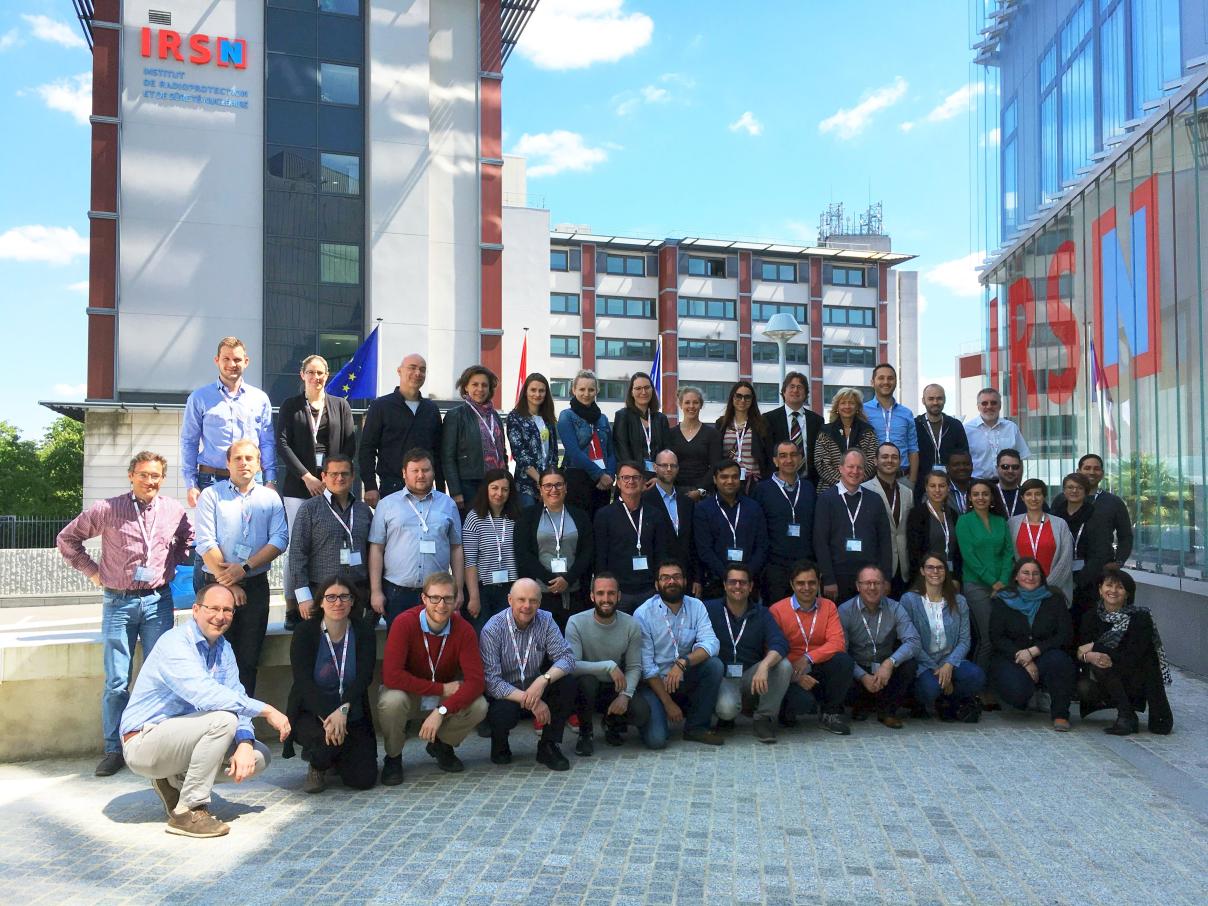
- 45 full and associate members from 20 countries
- More than 200 corresponding members
Motivation
In order to foster Harmonization of Individual Monitoring in Europe, three main tasks were identified:
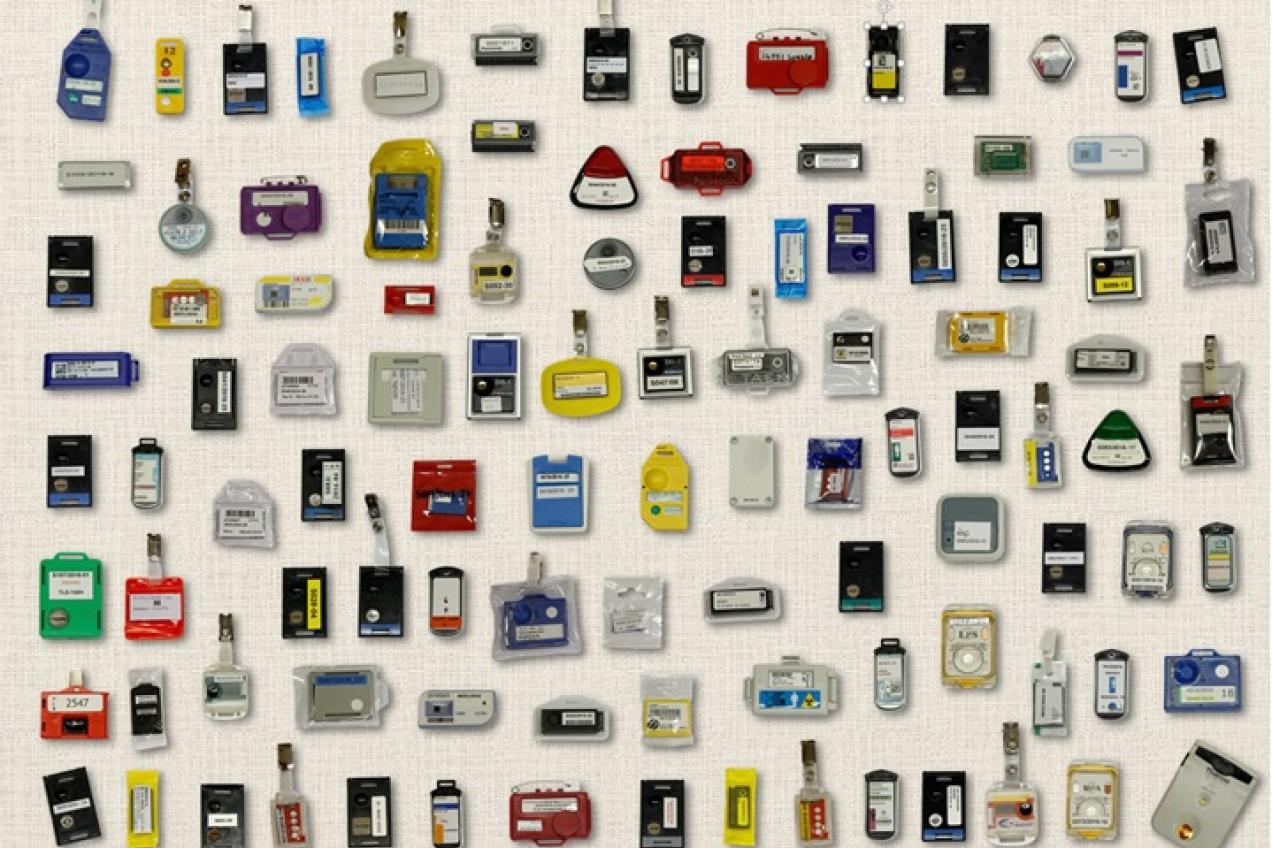
1) the organization of regular self-sustained intercomparison (IC) exercises,
The organization of regular IC exercises provides to the individual monitoring services a method to show compliance with the ISO/IEC 17025 requirements, as accreditation in conformity to this standard is becoming more and more important in Europe.
2) the improvement of quality and reliability in measurements, dose reporting and record keeping,
Under the improvement of quality and reliability, several activities have been identified, including the need to ensure continuing and future personnel skills through training, and the sharing of best practice through developing best-practice guides, workshops and networking.
3) the dissemination of the generated activity.
Best practice and recommendations are further shared by dissemination activities though, in addition to training courses, publications and presentations at various scientific meetings and/ or in journals.
EURADOS WG2 regularly publishes the results of its activity in the open literature (e.g. Radiation Protection Dosimetry, Radiation Measurements) and through EURADOS Reports, available on the website.
Aim of Working Group 2:
Since 1997, the motivation of WG2 is to foster Harmonization of Individual Monitoring in Europe.
Task Groups
-
Intercomparison exercises for Individual Monitoring Services
Task Group leader: Tom Grimbergen (Mirion Technologies, The Netherlands) for photon/betas exercises and Marie-Anne Chevallier (IRSN, France) for neutron exercises
-
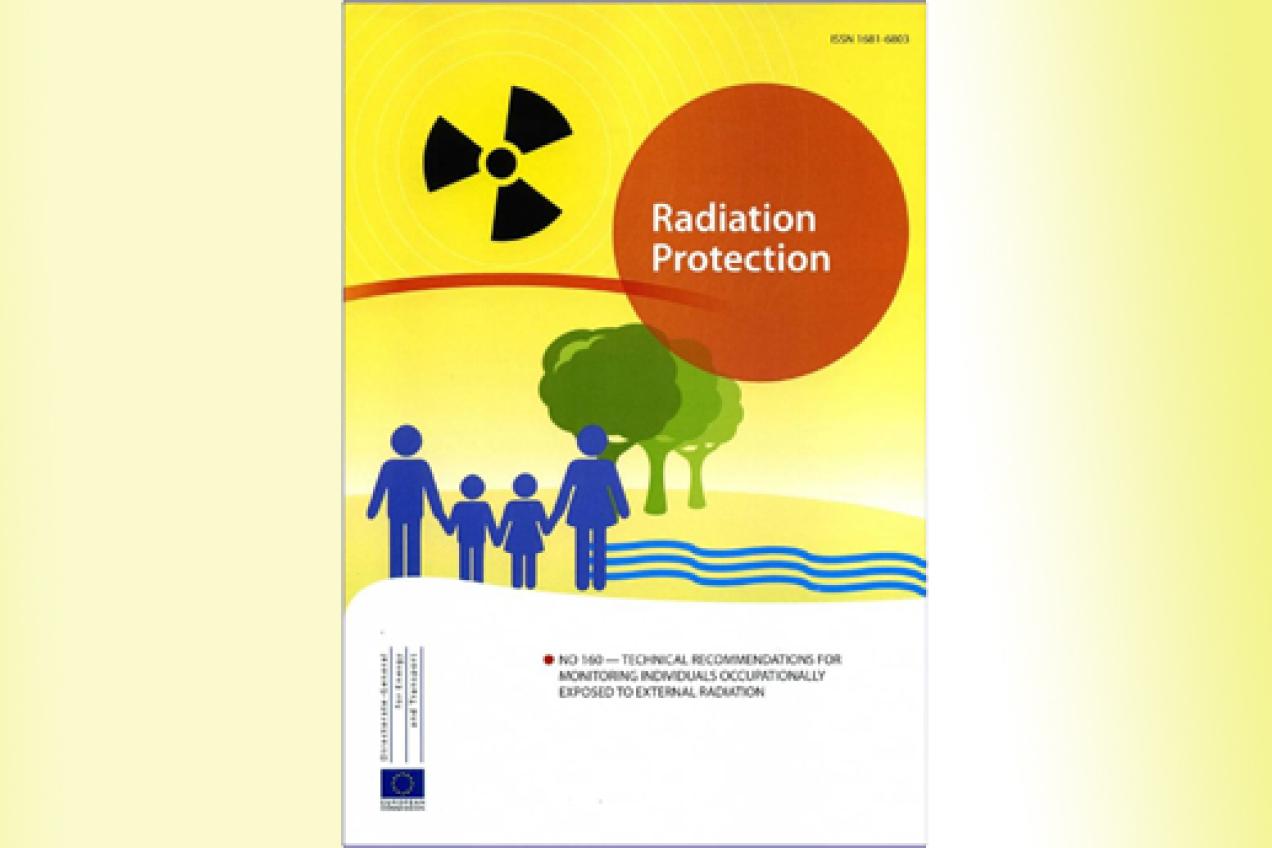
Training courses on Radiation Protection Dosimetry and Accreditation of IMS: Secrets & Solutions (based on Radiation Protection 160)
Task Group leader: Oliver Hupe (PTB, Germany)
-
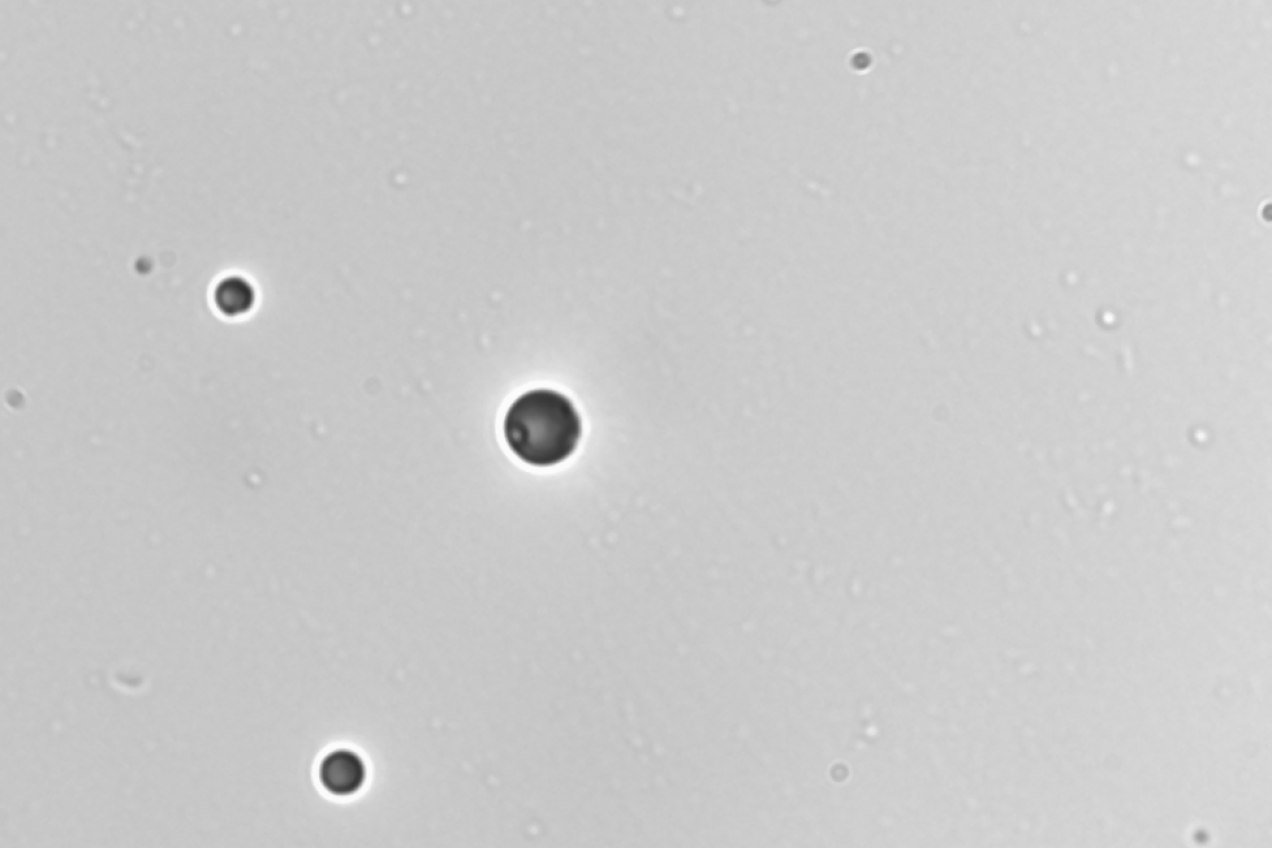
Improving the quality of PADC material for neutron dosimetry
Task Group leader: Mara-Georgiana Popovici (ELI-NP, Romania)
-
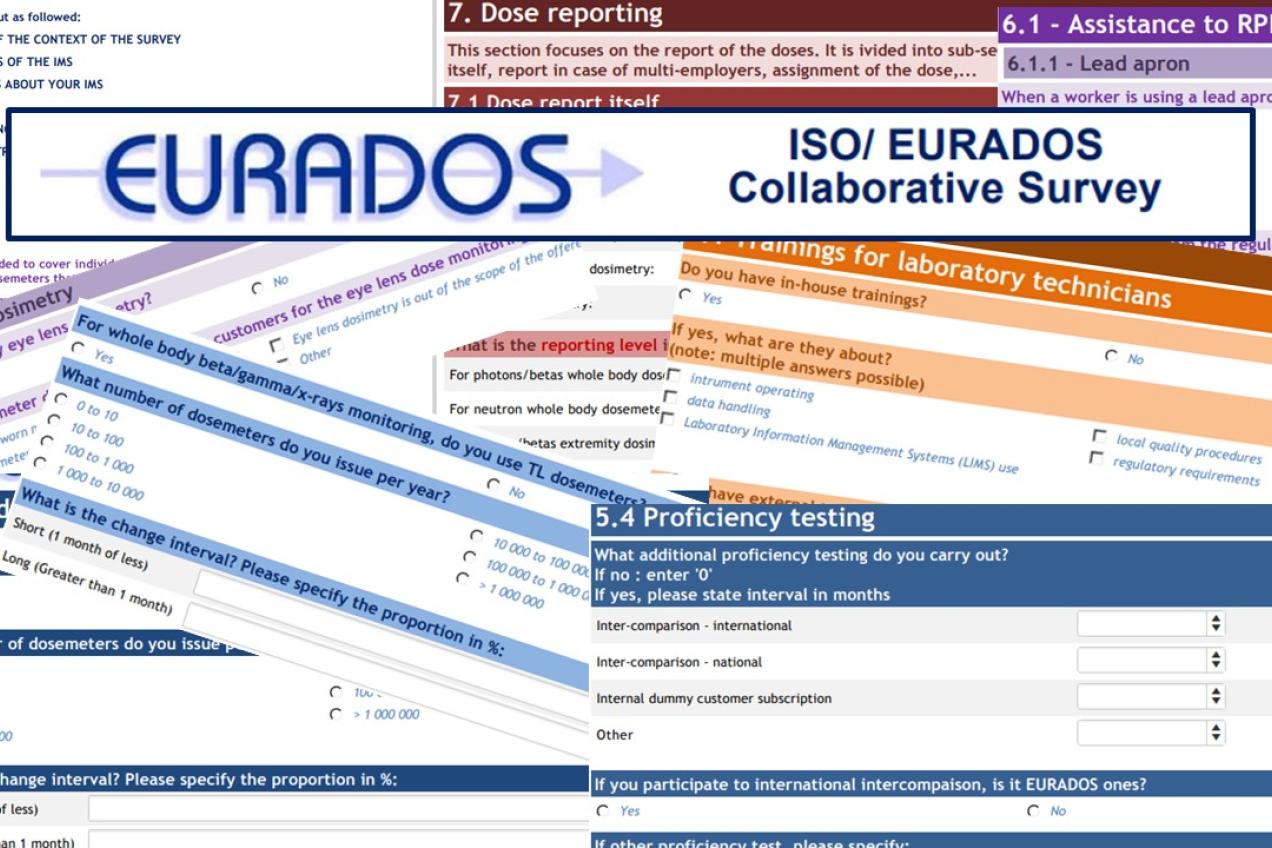
Collaborative ISO/EURADOS survey on routine practices
Task Group leader: Wioletta Dobrzynska (Cavendish Nuclear, United Kingdom)
A EURADOS survey is under elaboration (start in 2020) in collaboration with ISO. The results of the survey focused on the routine practices of IMSs would be useful as reliable inputs to help writing two new ISO standards. These two documents will aim at giving guidance on individual dosimetry for exposure to external radiations.
-

Data Management in Dosimetry
Task Group leader: Robert Bernat (Ruder Boškovic Institute, Croatia)
The aim of this task is to identify data and IT problems facing by IMSs and develop some recommendations to solve them such as for instance data management, data security, data storage, GDPR right to be forgotten issues, etc.
-

DosiLearn Exchange Programme
Task Group leader: Liam Buchanan (AWE, UK)
This task, started in 2020, has emerged from the observation that there no formal training scheme for staff of individual monitoring services. A paper will be submitted in a journal, making broad recommendations on what training IMS staff should have.
-
Learning Network
Task Group leader: Francesco Rossi (AOU Careggi, Italy)
Learning Network is intended to share and discuss about ‘hot’ topics faced within the community. Such event is organized by WG2 at the EURADOS annual meeting. WG2 asks the IMS community to choose 2-3 ones to be discussed in this Learning Network per event. Such open discussions are essential to have anyone shares his experience and have raised some problematics that could feed the WG2 action plan.
Such event is always organized at our EURADOS Annual Meetings.
-

IMS approval procedures
Task Group leader: Elena Fantuzzi (ENEA, Italy)
The activities of Individual Monitoring Services (IMS) in most countries are regulated by national regulatory bodies, and the requirements for their approval, as requested by EU Directive 2013/59/Euratom, differ across countries. In order to collect information on the approval of IMS across Europe (and beyond), this task started in 2025. Such data will update those published by WG2 in 2000 following the EU Concerted Action on “Harmonisation and Dosimetric Quality Assurance in Individual Monitoring for External Radiation”. Clarification on the terms and procedures for approval versus for accreditation, according to ISO/IEC 17025, and their implementation in each country is aimed as well.
Data and information will be collected through an interview by Task Group members with one representative or contact person for each country, granted the large network on which WG2 can count on.
A final report will be published.
-
Dosemeter Transit Dose Assessment and Management
Task Group leader: Eftychia Kouroukla (UKHSA, UK)
Transit doses occur when personal dosemeters are exposed to radiation during transport or travel, particularly when passing through airport security scanners.
In some situations, depending on the airport procedures or the destination of the parcel or the person, dosemeters may be scanned several times.
This can lead to a cumulative non-occupational exposure that can be significantly high and sometimes it may even dominate the personal dose. This creates uncertainty in the dose assessment, increases the amount of investigation needed by dosimetry services and ultimately leads to additional work and cost. It may sometimes result in reduced confidence and trust in the IMS. This task group aims to better understand the extent of the problem, collect and analyse relevant data, and develop practical guidance and recommendations for workers, dosimetry services, airports, and manufacturers.